Introduction
In today’s fast-paced business environment, achieving precision and efficiency is more crucial than ever. Companies are constantly seeking ways to reduce errors, streamline operations, and boost output. Technology has emerged as a key driver in improving accuracy and productivity across industries. By integrating advanced tools, software, and automation, businesses can operate more effectively while maintaining high standards of quality. Understanding how technology improves accuracy and productivity helps organizations stay competitive and achieve sustainable growth.
The Role of Automation in Reducing Human Error
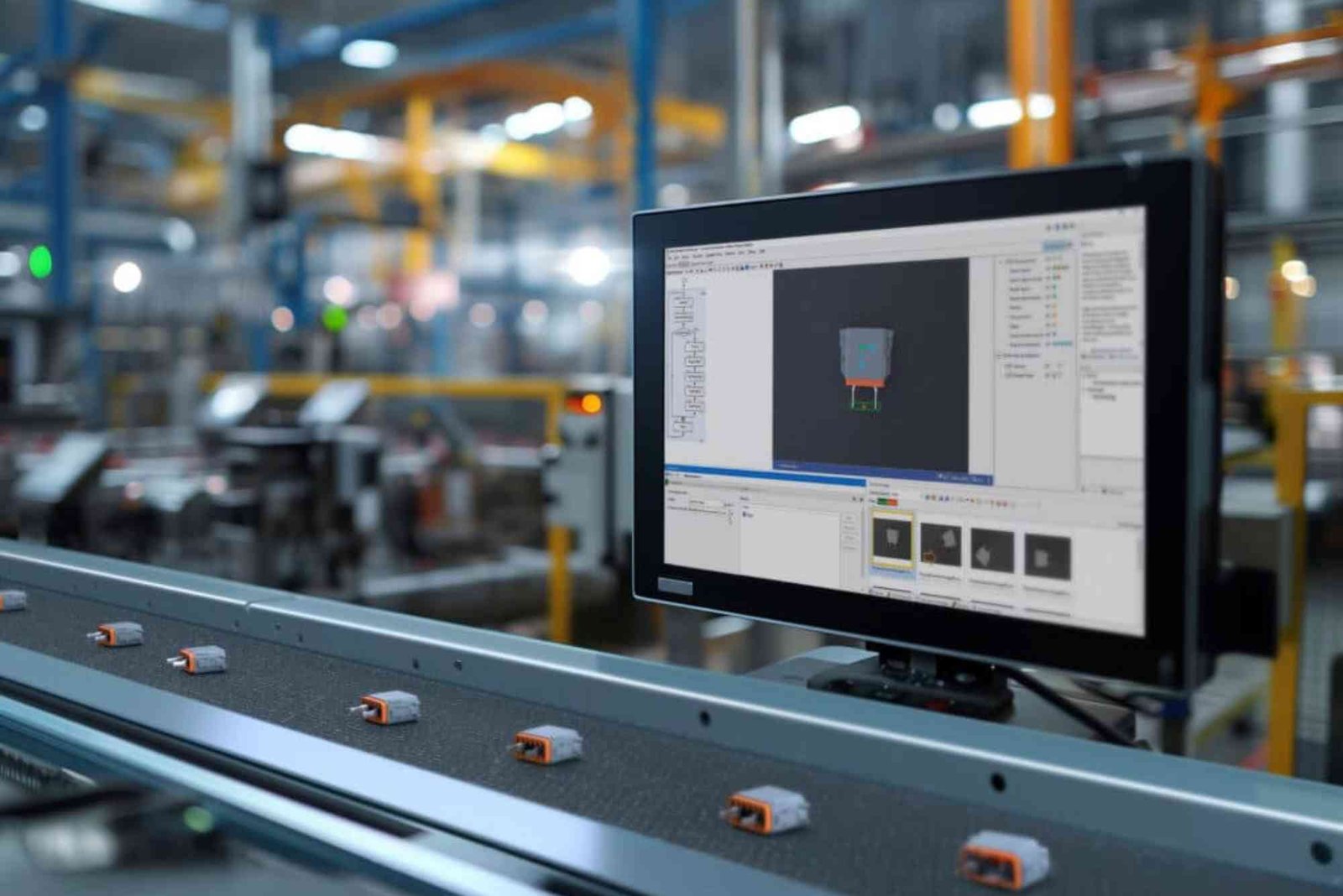
Automation is one of the most powerful ways technology enhances accuracy. Manual processes are prone to mistakes, whether due to fatigue, miscommunication, or oversight. Automated systems, from simple data entry tools to complex industrial robots, reduce human error significantly. For instance, accounting software can automatically calculate taxes and balance sheets, eliminating the risk of mathematical mistakes. In manufacturing, robotic arms perform repetitive tasks with high precision, ensuring consistent quality in production lines. By minimizing errors, companies not only save time but also reduce the costs associated with correcting mistakes.
Data Management and Accuracy
Effective data management is essential for accurate decision-making. Modern technology offers tools like cloud databases, AI-driven analytics, and real-time reporting to enhance data accuracy. Cloud-based platforms store information securely and allow multiple users to access updated data simultaneously, reducing miscommunication. AI algorithms can detect anomalies, identify trends, and provide precise insights, enabling managers to make informed decisions. Accurate data also supports predictive analytics, helping businesses anticipate future challenges and opportunities.
Time Efficiency Through Technology
Technology significantly increases productivity by saving time on routine tasks. Project management software, automated scheduling, and workflow tools help teams allocate resources efficiently and track progress. Employees spend less time on repetitive tasks and more on strategic activities that add value. For example, customer relationship management (CRM) systems automate follow-ups, record interactions, and generate reports automatically. This reduces manual work and ensures no important details are overlooked, leading to faster project completion and higher output.
Collaboration Tools Enhance Team Productivity
Modern collaboration tools have transformed the way teams work together, especially in remote or hybrid environments. Platforms like shared workspaces, instant messaging apps, and video conferencing systems enable seamless communication. Teams can collaborate in real-time, share documents, and provide immediate feedback. This eliminates delays caused by miscommunication or outdated information. By enhancing coordination, technology ensures that team efforts are focused and aligned, which directly improves productivity.
Artificial Intelligence and Machine Learning in Accuracy
Artificial intelligence (AI) and machine learning are redefining accuracy in professional tasks. AI systems can analyze large datasets faster than humans and identify patterns that might be overlooked. For instance, in healthcare, AI helps in diagnosing diseases with higher accuracy by analyzing medical images. In logistics, AI predicts demand patterns and optimizes inventory management. These technologies not only reduce human error but also enable businesses to operate at a higher level of precision, enhancing overall productivity.
Cloud Computing and Real-Time Efficiency
Cloud computing allows employees and businesses to access critical applications and data from anywhere. This flexibility improves productivity by enabling teams to work without delays, whether they are in the office or remote. Cloud-based software automatically updates, reduces compatibility issues, and supports real-time collaboration. For example, cloud accounting platforms provide instant access to financial reports, helping managers make decisions quickly. By streamlining access to resources, cloud technology improves both accuracy and efficiency in business operations.
Mobile Technology and On-the-Go Productivity
Mobile devices and applications allow professionals to perform tasks while on the move. Mobile technology enables instant communication, document access, and task management. Field employees can input data directly into systems using mobile apps, reducing errors caused by manual transcription. Sales teams can update client information in real-time, and managers can monitor performance from any location. By integrating mobile technology, businesses ensure that productivity continues even outside traditional office environments.
Software Integration for Seamless Operations
Integrating different software systems helps create a unified workflow. When accounting, inventory, and customer service platforms are connected, data flows smoothly between departments, reducing the chance of errors. Integration eliminates redundant tasks and ensures that everyone works with the same accurate information. For instance, when a sales order is entered into the system, inventory and shipping updates automatically. This seamless connectivity enhances accuracy and allows teams to focus on higher-value activities, increasing overall productivity.
Technology in Quality Control and Compliance
Maintaining high-quality standards is vital for business success. Technology supports quality control by providing tools to monitor, inspect, and report on product standards. Automated inspection systems in manufacturing detect defects early, preventing faulty products from reaching customers. Similarly, compliance software helps ensure that regulatory standards are consistently met. By reducing errors and maintaining compliance, technology protects company reputation and enhances operational efficiency.
Training and Skill Enhancement Through Technology
Technology also improves productivity by supporting employee training and development. E-learning platforms, virtual simulations, and interactive tutorials allow staff to acquire skills quickly and effectively. AI-powered training programs can customize learning based on individual performance, helping employees master tasks accurately. A well-trained workforce makes fewer mistakes, completes tasks faster, and contributes to a more productive environment.
Impact of Analytics on Strategic Decisions
Data analytics provides insights that directly influence productivity and accuracy. By analyzing performance metrics, companies can identify inefficiencies and implement improvements. Predictive analytics helps anticipate challenges and allocate resources proactively. Decision-makers rely on accurate analytics to make informed choices, ensuring operations run smoothly. This strategic approach reduces errors, optimizes processes, and maximizes output.
The Future of Productivity: Emerging Technologies
Emerging technologies like the Internet of Things (IoT), augmented reality (AR), and blockchain are further enhancing accuracy and productivity. IoT devices monitor equipment and environmental conditions, providing real-time alerts to prevent errors. AR can guide employees through complex tasks, reducing mistakes and improving efficiency. Blockchain ensures data integrity, making records tamper-proof and reliable. By adopting these innovations, businesses stay ahead in performance and accuracy.
Challenges in Technology Adoption
While technology offers immense benefits, implementing new systems comes with challenges. Employees may require training, and legacy systems might need upgrades. Over-reliance on automation can also lead to complacency if human oversight is neglected. Therefore, companies must balance technology adoption with continuous monitoring and staff engagement to ensure both accuracy and productivity are maximized.
Technology has revolutionized the way businesses operate by improving accuracy and productivity. Automation, AI, cloud computing, and integrated software systems minimize errors and streamline operations. Collaboration tools, mobile applications, and analytics further enhance efficiency. Companies that embrace these technologies achieve higher output, better quality, and a competitive edge. Investing in technology is no longer optional; it is a necessity for sustainable growth.
Discover the latest breakthroughs in the tech world and stay ahead of the curve with innovations shaping the future. From AI to cutting-edge IT solutions, explore the best innovations in technology and IT right now by visiting our detailed guide here.
FAQs
How does technology improve accuracy in business?
Technology reduces human error through automation, real-time data updates, and AI-driven insights, ensuring precise results.
What tools increase productivity using technology?
Project management software, cloud platforms, collaboration apps, and AI-powered analytics help teams work faster and smarter.
Can automation replace human work entirely?
While automation improves efficiency, human oversight remains essential for strategic decision-making and complex problem-solving.
How does mobile technology affect workplace productivity?
Mobile apps allow employees to access data, update records, and communicate on the go, maintaining productivity outside the office.
What role does AI play in improving productivity?
AI analyzes data quickly, identifies patterns, predicts outcomes, and automates tasks, reducing errors and saving time.